
For handmade sellers, a WordPress website is the central hub for showcasing artistry and building lasting relationships. When shoppers browse custom items, they frequently have questions that require a human touch. A well-designed website inquiry workflow ensures buyers can reach out seamlessly, while you manage the volume of questions without losing the personal connection that defines the handmade experience. Handling product inquiries and timing expectations requires a thoughtful approach to communication routing.
Mapping Question Types for Your Craft Business
The foundation of an effective inquiry workflow begins with understanding the categories of questions your customers ask. Product inquiries are the most common, where shoppers seek clarification on materials or sizes. These questions indicate high purchase intent, meaning an accurate response can directly lead to a sale. By categorizing these messages early, sellers can prioritize their replies and ensure potential buyers receive the specific details they need.
Custom order requests represent a different category entirely, requiring a more nuanced conversation. When a customer wants a bespoke papercraft design, the inquiry workflow must capture essential preliminary information without overwhelming the buyer. Shipping and timing questions also form a significant portion of inquiries. Customers need to know when handcrafted items will arrive, especially if intended for special occasions. Additionally, safety and materials inquiries—such as questions about non-toxic inks—must be routed effectively.
Setting Visible and Honest Response Expectations
One of the most critical aspects of managing inquiries is setting visible and honest response expectations right from the start. Handmade sellers wear many hats, balancing creation and customer service. It is rarely feasible to provide instant replies around the clock. By clearly stating your typical response time, you alleviate customer anxiety and establish a professional boundary.
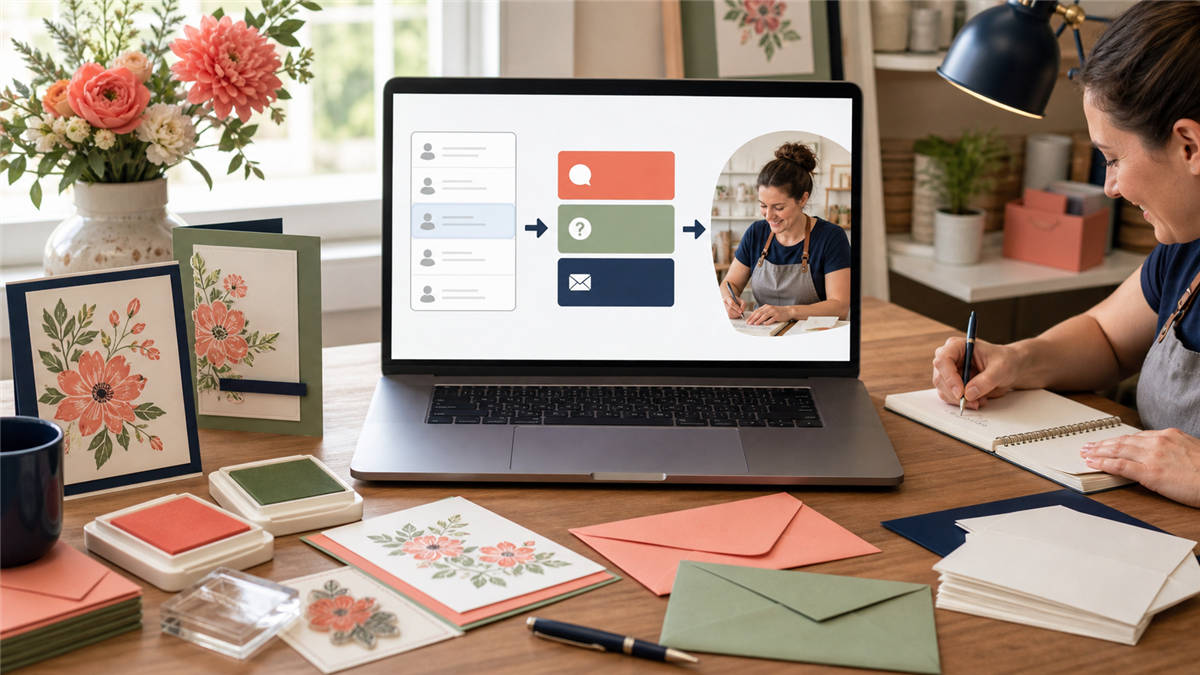
Transparency about communication channels is equally important. Customers should know exactly what happens after they submit a question. Will they receive an email confirmation? By outlining the steps in your inquiry workflow, you remove guesswork and build confidence in your processes. This organized approach reduces administrative clutter for the seller and ensures every inquiry receives a dedicated, focused reply.
Establishing a Durable and Accessible Contact Path

Creating a reliable way for customers to reach out requires evaluating the tools that integrate with your WordPress site. The landscape of communication tools shifts frequently. For example, Meta retired the legacy customer chat plugin on May 9, 2024, a change documented in a WordPress.org support topic and detailed in the Meta Business help center. Because of this shift, WordPress owners now need to evaluate current handoff options to ensure their audience can still get in touch easily without encountering broken features.
When selecting a new method to handle interactions, it is useful to review resources like the WordPress plugin directory to understand the breadth of available communication tools. Readers must verify current compatibility, privacy, support, and data handling before installation. For those exploring alternatives and comprehensive setups, evaluating a dedicated Facebook Chat Plugin for WordPress strategy can clarify how modern integrations function. Establishing a durable contact path means choosing solutions that offer stability, clear privacy policies, and a straightforward user experience for both the seller and the shopper.
A durable contact path must also be accessible to all users, regardless of how they access your website. Some customers prefer email, while others lean toward integrated messaging systems. The chosen workflow should accommodate these preferences without complicating the seller’s daily routine.
Preserving Your Authentic Personal Voice
The appeal of buying handmade items is rooted in the connection between maker and buyer. Therefore, every touchpoint in the inquiry workflow must preserve your authentic personal voice. Even when using automated acknowledgments or routing systems, the language should reflect the warmth, passion, and personality of your craft brand. Avoiding robotic phrasing helps reassure the customer that they are dealing with an individual artisan.
Translating this personal voice into written communication involves using a consistent tone across all responses. Whether you are addressing a simple question about shipping or a complex custom order request, the underlying brand voice should remain recognizable. This consistency builds a cohesive brand identity that resonates with papercraft enthusiasts and handmade shoppers.
Collecting Only Necessary Order Context
Efficiency in the inquiry workflow relies heavily on collecting the right information at the right time. When a customer initiates a conversation, the goal is to gather only the necessary context required to provide a helpful response. Overwhelming potential buyers with extensive questionnaires can create friction. A streamlined approach asks for essential details while leaving room for an organic conversation to unfold naturally.
Minimizing data collection also aligns with broader privacy principles. Handmade sellers should avoid requesting sensitive personal information early in the workflow unless it is absolutely required. By keeping the initial contact prompt focused on the craft, businesses can foster a safe environment where customers feel comfortable sharing their creative ideas.
Mandating Human Review for Custom Work
In the realm of customized papercrafts and personalized goods, there is no substitute for human intuition and expertise. While automated systems can handle basic routing and acknowledgments, mandating human review for custom work is non-negotiable. Routing these specific requests directly to the artisan ensures that every detail is evaluated with a professional eye.
This hands-on approach to custom inquiries allows the seller to provide accurate quotes, realistic timelines, and creative suggestions that enhance the final product. For insights into managing communications across different platforms, sellers can explore strategies for a handmade sellers Facebook marketplace message workflow to see how human review plays a vital role across various channels.
Protecting Sensitive Payment and Account Details
As a handmade business grows, the website inquiry workflow will inevitably encounter sensitive customer information, including payment inquiries, refund requests, and account access issues. It is a critical requirement that these state-changing requests are handled with the utmost security and always routed to an appropriate person, never auto-resolved. Customers must feel confident that their financial and personal details are treated with the highest level of care.
Automated systems should never be permitted to authorize refunds or alter account settings without direct oversight from the business owner. This human-first approach not only protects the business from potential errors or fraud but also provides the customer with the empathetic, understanding response they deserve during potentially stressful situations.
Testing the Mobile and Signed-Out Experience

A significant portion of online shopping occurs on mobile devices, making it imperative that the website inquiry workflow functions flawlessly across all screen sizes. Testing the mobile experience involves navigating the contact paths, forms, and messaging interfaces on smartphones and tablets to ensure buttons are easily clickable and forms are easy to complete without frustrating scrolling.
Equally important is testing the signed-out experience. Many prospective customers will attempt to contact the business before creating an account or logging in. The workflow must accommodate these guest inquiries without imposing unnecessary barriers. Ensuring that the contact path is accessible to all visitors maximizes the opportunity to engage with new audiences.
Measuring Response Quality Without Invasive Tracking
To continuously improve the customer experience, handmade sellers should measure the quality and efficiency of their responses. However, this must be done without resorting to invasive tracking methods that compromise user privacy. Focus on metrics intrinsic to the inquiry workflow itself, such as average response times and qualitative feedback gathered through voluntary follow-up questions. A simple lead-scoring framework can help the owner separate high-intent inquiries from routine questions before deciding where human time is most useful.
For example, tracking how long it takes to reply to a custom order request provides insight into operational bottlenecks. Just as thoughtful organization is key to organizing papercraft supplies for longevity, structuring your response tracking ensures the long-term health and sustainability of your customer service efforts.
Is This Workflow a Fit for Your Shop?
Implementing a structured inquiry workflow requires a commitment to consistency and clear communication. This approach is an excellent fit for handmade sellers who experience a steady volume of questions regarding custom orders and shipping timelines, and who want to organize these interactions without sacrificing their authentic voice.
Conversely, if your shop operates on a highly limited release model with exceptionally low inquiry volume, a complex routing system might be unnecessary. However, even the smallest papercraft business benefits from clearly stating response expectations and providing a reliable contact method. The goal is to scale the workflow to match the needs of your business.
Concise Implementation Checklist
To successfully route website questions while maintaining your personal touch, follow these practical implementation steps:
- Audit existing contact points to understand where customers currently ask questions.
- Identify any outdated legacy plugins that need replacement.
- Define core question categories (product details, custom requests, shipping) to establish routing logic.
- Draft visible response expectations, clearly stating your typical reply timeframe.
- Write standardized, personalized acknowledgment templates for each major category.
- Ensure pathways dealing with sensitive account or payment details strictly bypass automated resolution.
- Test the new workflow thoroughly on mobile devices and while signed out of your website.
By systematically addressing these elements, you will establish a reliable, welcoming inquiry process that supports the growth and reputation of your handmade business.
Maintaining this workflow over time requires periodic reviews. As your handmade business introduces new product lines, such as seasonal papercraft collections or advanced stamping techniques, the types of questions you receive will naturally evolve. Updating your routing logic and response templates to reflect these new offerings ensures that your customer service remains as current and high-quality as your latest creations. This ongoing refinement is a testament to the dedication you bring to every aspect of your craft business, from the studio workbench to the digital storefront.
Review the Workflow as Your Catalog Changes
Schedule a short workflow review after each seasonal launch or meaningful catalog change. Check whether shoppers are asking about new materials, personalization limits, production windows, or delivery dates that your current categories do not cover. Update the response guidance, then test the public contact path on a phone and in a signed-out browser. Keep a person responsible for custom work and sensitive requests, and remove fields that no longer help that person answer well. This small maintenance habit keeps the process useful without turning a friendly craft-shop conversation into a rigid intake exercise.



0 Comments